
 edward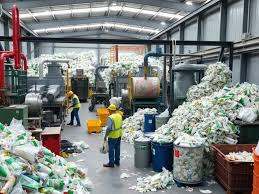
Low-Density Polyethylene (LDPE) is one of the most commonly used polymers in packaging, films, and flexible containers due to its lightweight, flexible, and durable properties. Its widespread use in consumer and industrial applications, however, generates significant amounts of waste. Recycle LDPE has become an essential practice to support eco-friendly processing and to ensure that clean recycled polymer streams are available for sustainable manufacturing. By recovering and reprocessing LDPE efficiently, businesses can reduce environmental impact while maintaining high-quality materials for production.
Importance of LDPE Recycling
Recycling LDPE addresses both environmental and economic challenges associated with plastic waste. Improper disposal of LDPE leads to landfill accumulation, environmental pollution, and potential harm to ecosystems. Recycling enables the recovery of high-quality material that can be reintegrated into industrial production, reducing the demand for virgin polymer and conserving natural resources. Moreover, the process lowers energy consumption and greenhouse gas emissions compared to producing new LDPE, contributing to sustainable manufacturing practices. Clean recycled polymer streams ensure that recovered LDPE is suitable for a wide range of applications without compromising performance.
Collection and Sorting of LDPE Materials
The foundation of successful LDPE recycling lies in efficient collection and sorting. Post-consumer and post-industrial LDPE materials, including films, bags, wraps, and packaging, are gathered from households, commercial operations, and manufacturing facilities. Sorting is crucial to remove contaminants such as other plastics, metals, adhesives, and residual materials. Advanced sorting techniques, including automated systems and manual inspection, help maintain the purity of LDPE streams. Properly sorted LDPE ensures higher quality recycled material, facilitating eco-friendly processing and maximizing the value of recovered polymers.
Processing Clean Recycled LDPE
Once collected and sorted, LDPE undergoes thorough cleaning to remove dirt, inks, adhesives, and other impurities. The material is then shredded into flakes or pelletized, allowing for efficient handling and further processing. Extrusion and re-pelletizing techniques are used to produce uniform, high-quality recycled LDPE that retains essential mechanical and physical properties. Clean polymer streams ensure consistent melt flow, flexibility, and durability, making the recycled material suitable for industrial applications such as packaging films, containers, liners, and consumer goods. This clean processing approach minimizes material contamination and supports sustainable production practices.
Applications of Recycled LDPE
Recycled LDPE has a wide range of applications due to its versatility and durability. In packaging, it is used for films, grocery bags, shrink wraps, and protective liners. Industrial applications include pallet covers, shipping materials, and protective sheeting, where flexibility and strength are essential. Consumer products such as storage bags, reusable containers, and trash bags also benefit from recycled LDPE. The availability of clean, high-quality polymer streams allows manufacturers to produce these items efficiently, maintaining product performance while reducing environmental impact.
Economic and Environmental Benefits
Recycling LDPE offers significant economic and ecological advantages. Economically, it reduces the need for virgin resin, lowering raw material costs and promoting cost-effective manufacturing. Using recycled LDPE also minimizes disposal costs and enhances operational efficiency. Environmentally, recycling prevents landfill accumulation, conserves non-renewable resources, and reduces energy consumption and greenhouse gas emissions. Clean recycled polymer streams ensure that the material can be used effectively, promoting eco-friendly manufacturing practices across industries.
Challenges and Opportunities
Challenges in LDPE recycling include contamination, thin film handling difficulties, and inconsistent supply. Innovations in sorting, cleaning, and extrusion technologies are addressing these challenges, improving the quality and usability of recycled LDPE. Increased regulatory focus on plastic waste management and rising consumer demand for sustainable products create opportunities for expanding the adoption of recycled LDPE. Businesses that invest in efficient collection and processing systems can benefit economically while contributing to environmental sustainability.
Conclusion
Recycling LDPE supports eco-friendly processing by providing clean, high-quality polymer streams suitable for diverse industrial and consumer applications. Efficient collection, sorting, and cleaning processes ensure that recycled LDPE maintains its mechanical and physical properties, enabling reliable and sustainable manufacturing. By integrating clean recycled LDPE into production, businesses can reduce dependence on virgin materials, lower environmental impact, and promote cost-effective, sustainable operations. This approach strengthens resource efficiency and supports a circular economy in modern industrial practices.


