Edward Clark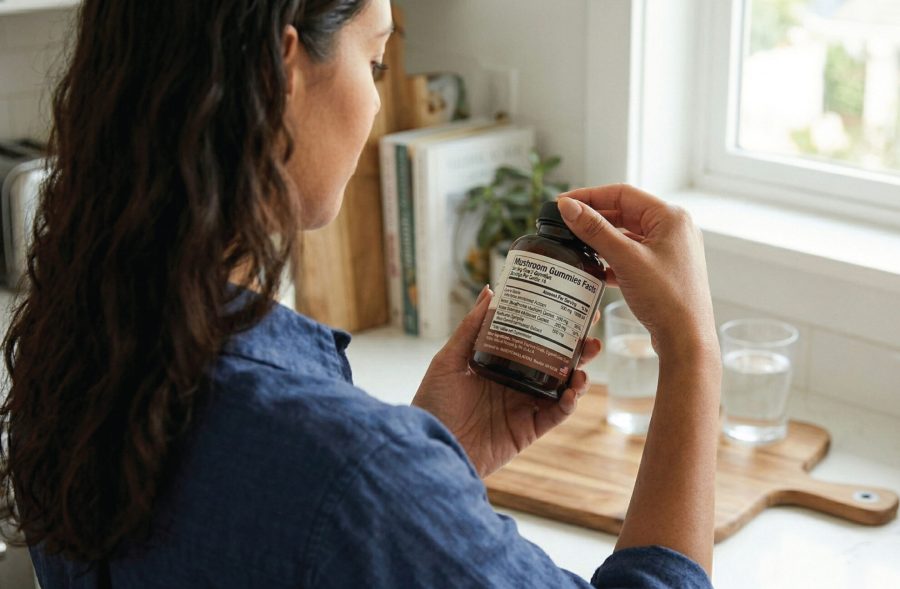
What should buyers check?
Compound identity comes first, since everything else printed on the label follows from that line. A mushroom gummy panel must state what the pieces actually contain before anything else matters. Amanita extract, functional mushroom blends, and other formulas each produce completely different sessions.
Labels answer this within seconds once a reader knows exactly where to look. Ingredient panels list the mushroom species alongside extract type, fruiting body or mycelium-based. Buyers ready to shop now for a first jar should pause right at this line. Amanita pieces carry muscimol as their active compound and lean toward dreamlike, sedative sessions. Functional blends built on lion’s mane, reishi, or cordyceps carry no intoxicating compounds at all. Packaging artwork rarely makes this distinction clear, which is why the printed panel earns first attention. Species name, extract source, and active compound together reveal what the jar truly holds.
How do potency numbers read?
Milligram figures describe either extract weight or active compound content, and that difference changes dosing entirely. A piece listing 500 milligrams of extract might hold just 5 milligrams of actual muscimol.
- Extract weight figures cover the total mushroom material rather than the isolated active portion.
- Active compound figures describe the exact part producing effects during a session.
- Serving guidance connects these numbers to a recommended piece count per sitting.
- Per jar totals help compare products carrying different piece counts fairly.
Two jars showing identical large numbers can differ enormously once this distinction is applied. Matching figure types before comparing brands prevents nearly every common dosing surprise.
Testing marks are worth finding
Certificates of analysis separate verified products from those resting entirely on claims. A credible label carries a batch number plus a QR code linking to results. Those results confirm compound identity and verify potency against every figure printed outside. Contaminant screens covering heavy metals and microbial content appear within the same report. Independent laboratory results carry more weight than any testing done in-house. Outside verification removes the incentive to round potency numbers upward before printing. A missing certificate or broken QR link deserves one response, choosing another jar. Testing transparency costs producers real money, which is why its presence signals quality.
Storage and date details
Smaller print near the label’s bottom edge covers freshness, and skipping it costs shelf life. Manufacture dates matter more than most buyers walking down an aisle ever assume. Active compounds degrade gradually once production wraps, regardless of how pieces get stored. Best by dates typically run 12 to 24 months from the production point. Opened jars keep best inside cool, dark cabinets away from appliance heat. Humidity warnings appear across many panels because moisture softens pieces and invites early spoilage. A label pairing storage guidance alongside dates signals a producer thinking beyond checkout.
Species, potency figure type, testing access, and dates form four short checks total. Running through them takes two minutes against years of better buying decisions. A buyer who reads this way knows the jar better than most owners.