admin
admin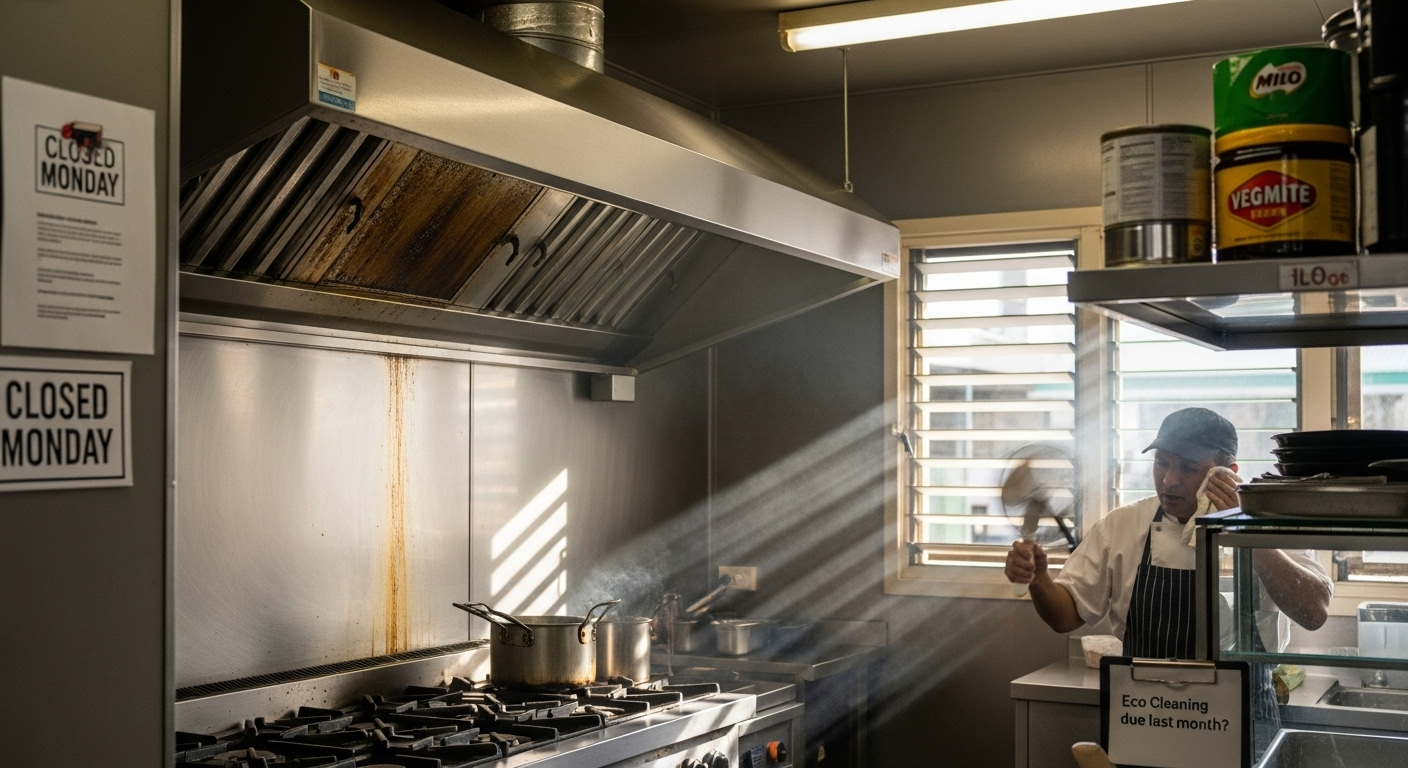
Every year, thousands of restaurant structures and residential homes suffer significant damage due to kitchen fires. According to data from national fire protection agencies, cooking equipment is the leading cause of home structure fires and home fire injuries. While open flames and unattended stoves are often the primary culprits, there is a silent accelerant hiding in plain sight: the kitchen exhaust hoods.
In the hustle of a commercial kitchen or the comfort of a family home, the exhaust hood is the unsung hero of air quality. It whisks away smoke, heat, and odors, making the cooking environment bearable. However, as it performs this vital function, it accumulates grease, oil, and grime. Over time, this buildup transforms a safety device into a serious hazard. This article explores the critical necessity of professional exhaust hood cleaning, diving into the statistics of fire safety, the mechanics of airflow, and the step-by-step process professionals use to keep homes and businesses safe.
The Mechanics of Grease Accumulation
To understand why cleaning is mandatory, one must first understand how an exhaust system functions. When you cook, especially when frying or searing meat, vaporized grease travels upward with the steam and smoke. Ideally, your exhaust fan pulls these vapors through filters and up the ductwork to be expelled outside.
However, physics dictates that as these hot vapors travel away from the heat source, they cool down. As they cool, the grease solidifies. It clings to the filters, coats the interior of the hood, and lines the ductwork leading to the roof. In a busy commercial kitchen, this layer of sludge can become dangerously thick in a matter of weeks. Even in residential settings, where volume is lower, the accumulation over years can be substantial.
This grease is not merely dirt; it is fuel. It is highly combustible and burns at high temperatures. If a flare-up occurs on the stovetop—a common occurrence in professional kitchens—flames can leap up into the hood. If the hood is coated in grease, the fire doesn’t stop there; it travels up the ductwork, potentially spreading deep into the building’s structure before anyone realizes the severity of the situation.
The Statistical Reality of Kitchen Fires
The numbers surrounding kitchen safety are startling and paint a clear picture of risk. Industry reports indicate that a significant percentage of restaurant fires begin in the kitchen and spread into the exhaust system. Once a fire enters the ductwork, it becomes incredibly difficult to extinguish because it is encased in metal and often inaccessible to standard fire suppression sprinklers until it breaches the roof or walls.
Insurance carriers are acutely aware of these statistics. This is why compliance with safety codes, such as those outlined by the National Fire Protection Association (NFPA), is often a prerequisite for coverage. For business owners, failure to demonstrate proof of professional hood cleaning can lead to denied insurance claims in the event of a fire. The financial devastation of a denied claim, combined with the loss of business continuity, is often enough to permanently shutter a restaurant.
For homeowners, while regulations are less stringent, the risk remains. A grease fire that spreads into the attic through a dirty exhaust vent can result in catastrophic property loss. Regular maintenance is not just about cleanliness; it is about statistical risk mitigation.
Beyond Fire Safety: Air Quality and Efficiency
While fire prevention is the headline reason for hood cleaning, air quality and system efficiency are equally critical factors that directly impact daily operations and health.
An exhaust system clogged with grease forces the fan to work harder. The heavy sludge on fan blades can unbalance the motor, leading to excessive vibration, noise, and premature mechanical failure. When the fan cannot draw air efficiently, smoke and heat remain in the kitchen. In a commercial setting, this creates an uncomfortable workspace for chefs, leading to fatigue and lower productivity. In a home, it means lingering odors and a film of grease settling on cabinets and countertops.
Furthermore, poor ventilation poses health risks. Carbon monoxide and other combustion byproducts need to be effectively removed from the cooking area. A compromised exhaust system may fail to remove these dangerous gases, leading to poor indoor air quality. Professional cleaning restores the system to its original airflow specifications, ensuring that the kitchen remains a safe and healthy environment for everyone.
The Limitations of DIY Cleaning
Property owners often attempt to tackle hood cleaning themselves to save on costs. While wiping down the exterior of the hood and running the baffle filters through a dishwasher is good daily maintenance, it does not constitute a deep clean.
The danger lies in what you cannot see. The area behind the filters—the plenum area—and the vertical and horizontal ductwork are where the most dangerous grease accumulation occurs. These areas are often difficult to access without specialized tools. A DIY approach typically addresses only the cosmetic surface, leaving the fuel load in the ducts untouched. This creates a false sense of security; the kitchen looks clean, but the fire hazard remains.
Professional cleaners possess the equipment, chemicals, and training to reach every inch of the system. They clean from the “top down,” starting at the roof fan and working their way down to the hood canopy, ensuring that the entire path of the airflow is free of combustible material.
The Professional Cleaning Process: What to Expect
When you hire a certified professional service, you are paying for a rigorous, systematic process designed to meet strict safety codes. Understanding this workflow helps property owners appreciate the value of the service.
1. Preparation and Protection
The process begins with protecting the kitchen. Professionals will cover appliances, countertops, and floors with heavy-duty plastic sheeting. This is crucial because the cleaning process involves water, grease, and strong chemicals. The goal is to contain the mess completely so that the kitchen is ready for use immediately after the service is finished.
2. Degreasing Application
Technicians apply a powerful, industrial-strength caustic degreaser to the hood, plenum, filters, and ductwork. This chemical is designed to break down the molecular bonds of the hardened grease, turning it into a semi-liquid substance that can be washed away. Unlike household cleaners, these industrial agents are formulated to tackle carbonized oil that has been baking onto the metal for months.
3. Hot Water Pressure Washing
Once the chemical has had time to dwell and dissolve the grease, technicians use commercial-grade hot water pressure washers. The water is often heated to high temperatures to aid in melting the grease. They spray the interior of the ductwork, the fan blades on the roof, and the hood canopy. This step flushes the dissolved grease and chemical residue out of the system. In many setups, the wastewater is captured and disposed of according to environmental regulations, preventing it from clogging local drains.
4. Scraping and Manual Cleaning
For areas with particularly stubborn buildup, pressure washing alone may not be enough. Technicians will manually scrape hardened carbon deposits to ensure the bare metal is exposed. This attention to detail is what separates a professional clean from a superficial wash.
5. Polishing and Finishing
After the system is grease-free, the stainless steel hood canopy is dried and polished. This not only looks professional but also leaves a protective finish on the metal that makes future cleaning easier. The filters are reinstalled, and the plastic sheeting is removed.
6. Inspection and Certification
For commercial clients, the final step is the most important for compliance. The service provider will affix a certification sticker to the hood, stating the date of cleaning and the date of the next scheduled service. They often provide a detailed report, sometimes including before-and-after photos, which serves as proof of compliance for fire inspectors and insurance agents.
Determining the Frequency of Cleaning
How often should this process happen? The answer depends on the volume and type of cooking. The NFPA 96 standard provides clear guidelines for commercial establishments:
- Monthly: Systems serving solid fuel cooking operations (like wood-burning ovens or charcoal grills).
- Quarterly: High-volume cooking operations such as 24-hour restaurants, extensive frying, or charbroiling.
- Semi-Annually: Moderate-volume cooking operations. This is the standard for most sit-down restaurants.
- Annually: Low-volume cooking operations, such as churches, day camps, or seasonal businesses.
For residential homes, an annual professional inspection and cleaning are generally recommended, especially for gourmet kitchens with commercial-grade ranges. If you cook with a lot of oil or use a wok frequently, you might consider a semi-annual schedule.
Selecting a Qualified Service Provider
Not all cleaning companies are created equal. Since hood cleaning is a fire safety service, it is imperative to hire a qualified contractor. When vetting potential providers, look for certification. Organizations like the International Kitchen Exhaust Cleaning Association (IKECA) offer certification programs that ensure technicians are trained in the latest codes and cleaning techniques.
Additionally, verify their insurance. A legitimate company should carry substantial liability insurance. You should also ask for references or case studies from similar businesses. A provider who is transparent about their process and willing to show you proof of their work is generally a trustworthy partner.
Beware of “budget” cleaners who offer prices that seem too good to be true. These operators often clean only the areas you can see—the hood canopy—and ignore the roof fan and ducts. This practice, known in the industry as “cleaning the shine,” leaves the most dangerous grease deposits in place while taking your money. Always insist on a service that cleans the entire system in accordance with NFPA 96 standards.
Protecting Your Investment and Safety
The exhaust hood is the lungs of your kitchen. When it is clogged, the entire system suffers, and the risk of disaster skyrockets. Treating hood cleaning as a discretionary expense is a dangerous gamble. Whether managing a bustling commercial kitchen or maintaining a safe home environment, the cost of professional cleaning is a fraction of the cost of fire damage recovery.
Prioritize the safety of your property, your employees, and your family. Don’t wait for the warning signs of smoke or the smell of rancid grease. Take a proactive stance on maintenance. Reach out to a certified hood cleaning specialist today to schedule an inspection and ensure your kitchen remains a place of culinary creation, not a fire hazard.