Edward Clark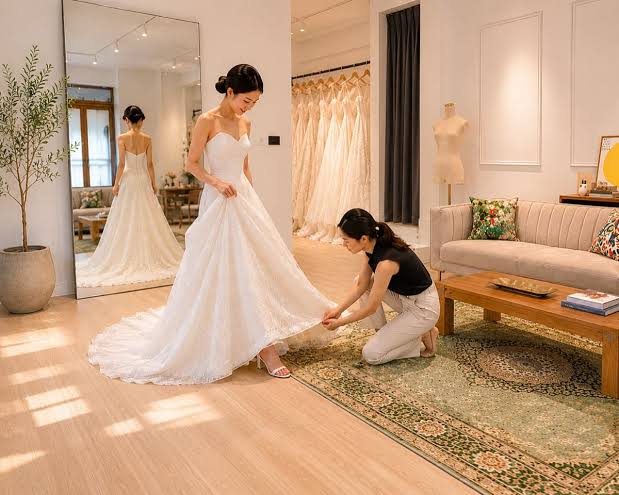
Wedding clothes need exact measurements and careful sewing. Couples look for garments that fit the body well and hold shape through the full day. Many searches for reliable local work that avoids last-minute surprises. Without a clear process, best tailor in bangkok people often face uneven hems, tight sleeves, or fabric that pulls in the wrong places.
A structured method reduces these problems. It starts with clear steps instead of rushed choices. Clients who skip planning often end up with pieces that look acceptable in the shop but fail under real movement and lighting.
Structured Fitting Process
A planned sequence works better than quick guesses. It keeps every decision based on the actual body and the event conditions.
- Record full body numbers before any fabric is cut
- Match cloth weight to the season and venue
- Schedule two fittings at least one week apart
- Confirm final alterations only after the second try-on
Measurement Precision
The first step is accurate body recording. The tailor notes shoulder width, chest depth, arm length, and posture. In practice, this happens in a quiet room with the client standing naturally. One common limit is slight posture change between visits, which can shift the final drape.
Fabric Selection Method
Cloth choice follows the measurement data. The artisan shows samples under natural light and checks how each piece hangs on the body. Real conditions include heat, humidity, and long hours of standing. A frequent difficulty is limited stock of the exact weight needed for the chosen design.
Trial Adjustment Steps
After the first sewing, the client wears the garment for a short period. Small changes are marked with chalk and corrected at once. This works well when the schedule allows enough days between visits. The main limit appears when travel plans force a single fitting only.
Clients often turn to the best tailor in bangkok for these controlled stages because the sequence stays consistent from first measurement to final delivery.
Practical Ordering Steps
- Book an initial consultation and bring any reference photos
- Complete full measurements and select fabric on the same day
- Attend the first trial and note required changes
- Return for the second trial and approve the finished piece
- Collect the garments with care instructions in writing
Common Fitting Issues
Many people struggle because they change their mind after the first cut. Others arrive late for fittings and leave too little time for corrections. Weather shifts can also alter how fabric behaves once the event day arrives. These factors produce uneven results even when the starting measurements were correct.
Ongoing Refinement
Progress comes from repeating the same careful sequence on later orders. Clients who keep their measurement records and review past fittings notice fewer adjustments over time. Steady habits matter more than any single perfect garment.
Frequently Asked Questions
- How many fittings are normally required? Two fittings cover most wedding pieces when booked with enough gap.
- What happens if body size changes slightly? Minor shifts are corrected at the second trial without restarting the whole process.
- Can alterations be done after the wedding day? Most workshops accept small post-event adjustments within a short period.
- How long does the full process take? Four to six weeks is typical when appointments stay on schedule.
- Is ready-made fabric usable for formal wear? Only if the weight and drape match the measured requirements exactly.
Consistent measurement review and timed fittings produce reliable wedding attire. Execution of the same clear steps each time matters more than any single perfect result.